

How to Avoid Rogue Traders and Tradesperson Scams in the UK
By Wayne Scott
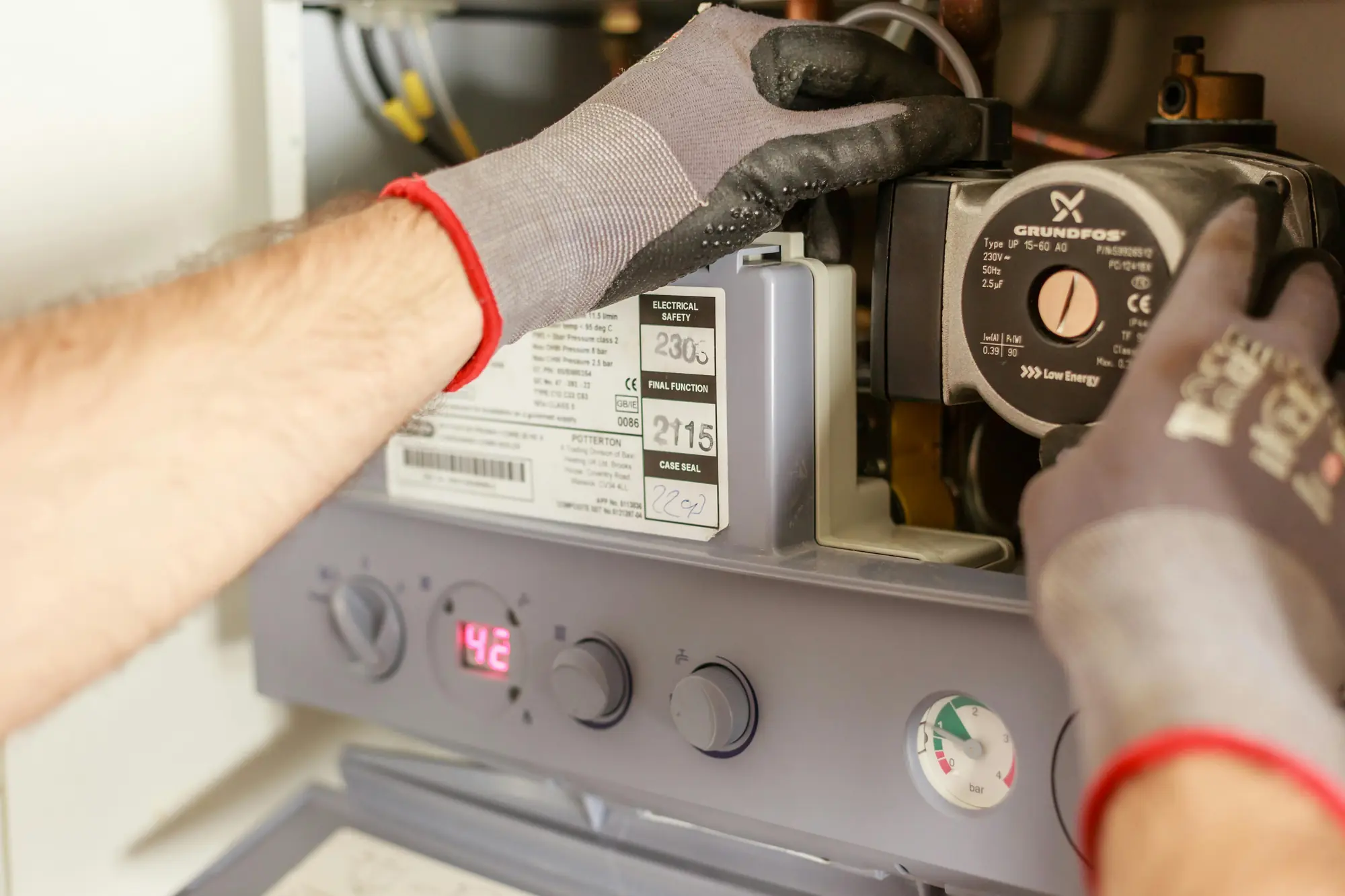
Most tradespeople in the UK are skilled, honest and proud of their work. The trouble is that a small number are not, and the people they catch out are rarely careless. They are simply busy, dealing with an urgent problem, and trusting that someone who turns up sounding confident knows what they are doing. Learning how to avoid rogue traders is not about becoming suspicious of everyone. It is about knowing the handful of signals that separate a genuine provider from someone who should never be let through the door.
This guide is practical and calm. It sets out the common warning signs, the simple steps that protect you, and what to do if a job has already gone wrong. None of it requires technical knowledge. It only requires that you slow down for a moment before you commit.
What a Rogue Trader Actually Is
A rogue trader is someone who takes on work they are not qualified or insured to do, charges far more than the job is worth, does the work badly or not at all, or disappears once the money has changed hands. Some operate as one-off opportunists who knock on doors. Others run for years, leaving a trail of unhappy households behind them. What they share is a reliance on you not checking the things a careful person would check.
The reassuring part is that their methods are predictable. Once you recognise the pattern, it becomes much easier to step back at the right moment.
The Common Warning Signs
You do not need to memorise a long list. A few clear signs come up again and again, and noticing even one of them is a good reason to pause.
- Payment in cash, demanded up front. A modest deposit towards materials on a large job can be reasonable. Being asked for most of the cost before any work has begun, in cash, is a serious warning sign.
- No written quote. A genuine provider puts the price in writing and breaks it down. A figure mentioned in passing, with nothing on paper, leaves you with no protection and no way to compare.
- Pressure to decide today. Urgency is the oldest tactic there is. "I can only do this price if you agree now" is designed to stop you thinking. A real provider understands that you need a moment.
- No insurance or registration. If someone cannot show valid public liability insurance, or the relevant registration for regulated work such as gas or electrics, you have no safety net.
- Unsolicited door-knocking or cold calls. Someone arriving uninvited to warn you about a roof tile, a tree or a driveway "they happened to notice" deserves real scepticism. Genuine work rarely begins this way.
- Prices that change mid-job. A common trap is a low opening figure that grows once the work is under way and you feel committed. A clear written quote agreed in advance is your defence against this.
If several of these appear together, treat it as a clear answer rather than a difficult decision.
How to Protect Yourself
The good news is that protecting yourself takes only a few minutes and a little resolve. These are the habits that careful households rely on.
Get everything in writing
Ask for a written, itemised quote before any work starts: labour, materials, the scope of the job, VAT if it applies, and a rough timescale. This protects both you and the tradesperson, and it makes a price that creeps upward far harder to justify.
Verify identity and insurance
You are inviting someone into your home, so it is entirely reasonable to confirm who they are. Ask for a full name, a business address and proof of current public liability insurance in the right name. For gas work, check the engineer is on the Gas Safe Register. For electrical work, look for registration with a recognised competent person scheme. Checking is not rude. It is simply sensible, and an honest provider will expect it. We explain why these checks matter so much in why insured and verified providers matter.
Never feel rushed
No legitimate job collapses because you took a day to think or to get a second quote. If someone tries to remove your time to consider, that pressure is itself the warning. Give yourself permission to say, "I will let you know tomorrow," and watch how they respond.
Pay sensibly and keep records
Avoid large cash payments up front. Keep copies of the quote, any messages and receipts. A clear paper trail makes everything simpler if a dispute arises later.
What to Do if It Has Already Gone Wrong
If you are reading this because a job has gone badly, you are not without options, and you have done nothing foolish. Help exists precisely because this happens to careful people.
- Contact the Citizens Advice consumer service. They offer free, impartial advice on your consumer rights and can guide you on the next steps for a particular situation.
- Report it to Trading Standards. Citizens Advice can pass your report on to Trading Standards, who deal with traders acting unlawfully.
- Report a scam to Action Fraud. If you believe you have been the victim of fraud, Action Fraud is the official place to report it in England, Wales and Northern Ireland. In Scotland, contact Police Scotland.
- Keep your evidence together. Your quote, photographs of the work, messages and payment records will all help whoever you turn to.
Acting quickly improves your position, but even if some time has passed, it is still worth seeking advice.
How Verification Removes Most of the Risk
Step back and look at the warning signs together and a pattern emerges. Almost every one of them is a gap that proper checking would close. No verified identity. No confirmed insurance. No registration for regulated work. No reviews from genuine completed jobs. Rogue traders depend on those gaps existing.
This is exactly the problem a trust platform is built to solve. The principle behind DomusVesta is that every provider is identity checked and insurance verified before they ever appear, so the most important questions are answered before you make contact. Reviews come only from real, completed work, never bought or faked. Pricing is clear before you decide, and you talk directly with the provider from start to finish. There is no advertising, no middle layer and no commission taken from a provider's work. DomusVesta does not handle your payments or hold your money. It exists simply to make sure that the people you find have already passed the checks a careful household would otherwise have to run alone.
If you would like to go further on choosing well from the start, our guide on how to find a trusted tradesperson in the UK sets out the full routine.
A Confident Way Forward
Avoiding rogue traders is far simpler than it can feel in a stressful moment. Slow down, get the price in writing, confirm identity and insurance, and never let anyone hurry your decision. Those few habits remove most of the risk on their own, and the rest can be removed for you by hiring through a place where the checks are already done.
If you are a household, you can create your free account and be ready the moment trusted, verified help arrives in your town. If you are a tradesperson who is tired of being lumped in with the rogue minority, you can stand apart by being properly checked from day one: become a Founding Member and let your verification do the talking.
Looking for a trusted local pro?
Find a trusted trust and safety near you →